Stay up to date with the latest media coverage on digital wellbeing from around the world. We bring together important stories about screen time, online behaviour and healthier tech habits.

Australia is considering giving social media users the right to switch off personalised algorithms. This article explores why that choice could matter for digital wellbeing and how a more intentional feed may change our relationship with social media.
Read More
This report by eSafety in Australia provides valuable early insights on the initial impacts over the first three months of the social media delay on young people and families. One key finding was that most under-16s who had social media accounts before commencement were able to either retain them or create new ones at the three-month mark, with social media platforms’ failure to implement effective age assurance measures cited as the main reason.
Read More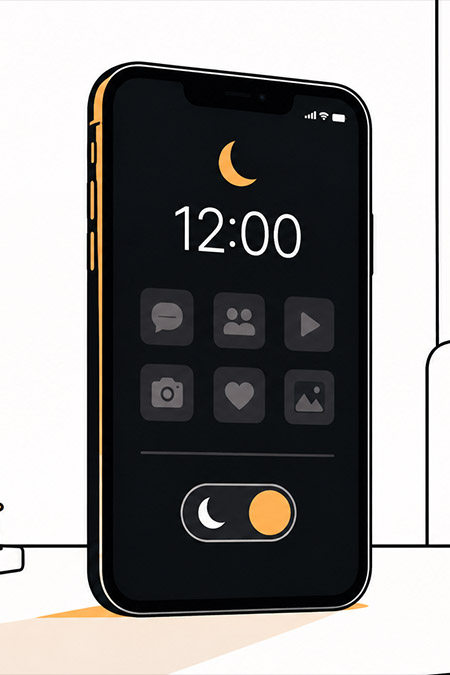
The UK government has proposed new measures aimed at reducing late-night social media use among teenagers aged 16 and 17. Under the proposal, platforms such as Instagram, TikTok and YouTube would be unavailable by default between midnight and 6am for users in this age group. Teenagers would still be able to change their settings and opt out of the restriction.
Read More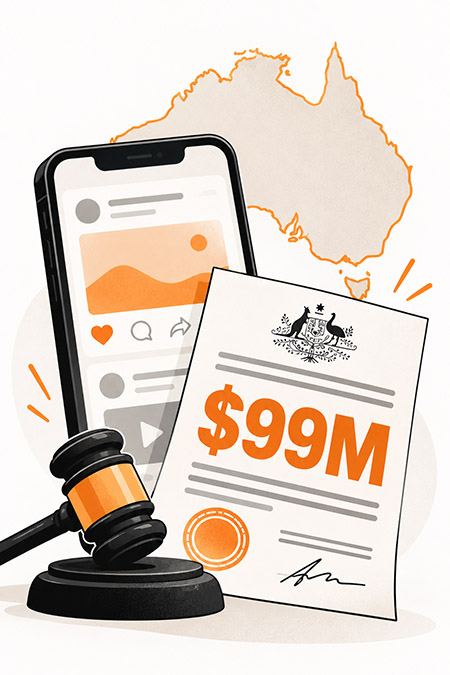
Australia is strengthening enforcement of its social media minimum-age law, with the maximum penalty for platforms that fail to comply set to double to A$99 million. The changes will also give Australia's eSafety Commissioner greater powers to require social media companies to provide evidence showing what they have done to comply with the law.
Read More
The UK will go further to protect kids with world-leading additional restrictions on harmful features online such as live streaming and strangers communicating with children. Social media platforms will be blocked from offering services to under-16s, marking a line in the sand and setting a new normal for future generations.
Read More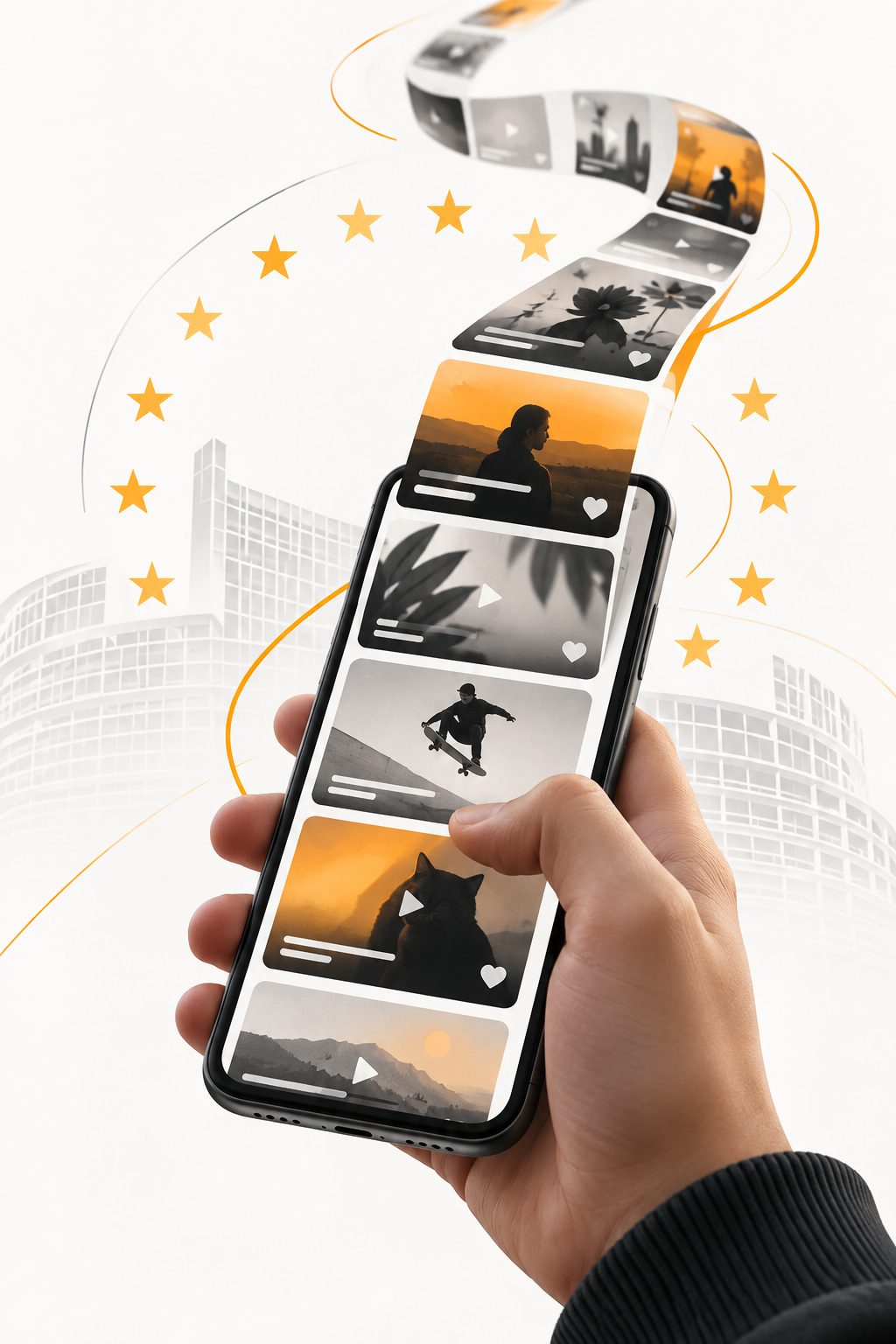
Authorities in the European Union said that the video-sharing platform TikTok is in breach of online content regulations, warning the company to change “addictive” features in order to protect minors from compulsive use.
Read More
Australia’s social media restrictions for under-16s have renewed debate about where social media ends and online gaming begins. While major social platforms are covered by the restrictions, many gaming and gaming-related services remain accessible to younger users.
Read More
New Zealand should copy the Australian ban on social media for children under 16, a public health researcher says. The Australian government said it would pass a law banning social media for children under 16. Prime Minister Anthony Albanese announced yesterday that a bill will be introduced to parliament within weeks.
Read More
New data from the WHO Regional Office for Europe reveals a sharp rise in problematic social media use among adolescents, with rates increasing from 7% in 2018 to 11% in 2022. This, coupled with findings that 12% of adolescents are at risk of problematic gaming, raises urgent concerns about the impact of digital technology on the mental health and well-being of young people.
Read More
The survey, which nib conducts annually with global research company, One Picture, canvassed the views of 1,226 parents, step-parents and guardians of children under 18, nationally. This year the survey shows technology use continues to nag at parents, with the real impacts on health and wellbeing increasingly evident. Technology use remains the number one worry for 70% of parents, with 24% ‘extremely concerned’.
Read More
There's a new addiction in New Zealand - more than a third of Kiwis say they are hooked on their screens and many are blaming Covid for it. As the country enters its second week of lockdown, New Zealanders have been averaging five hours of screen time a day on top of using devices for work and school since the Covid pandemic started last year, a new NortonLifeLock study has found.
Read More
The World Health Organisation (WHO) has officially added video game addiction — characterised by "a pattern of persistent or recurrent gaming behaviour" that "takes precedence over other life interests" — to their International Classification of Diseases (ICD) database.
Read MoreScreen Sense offers personalised one-to-one support to help you better understand your digital habits and make practical, lasting changes to the way you use technology.
Sessions >