
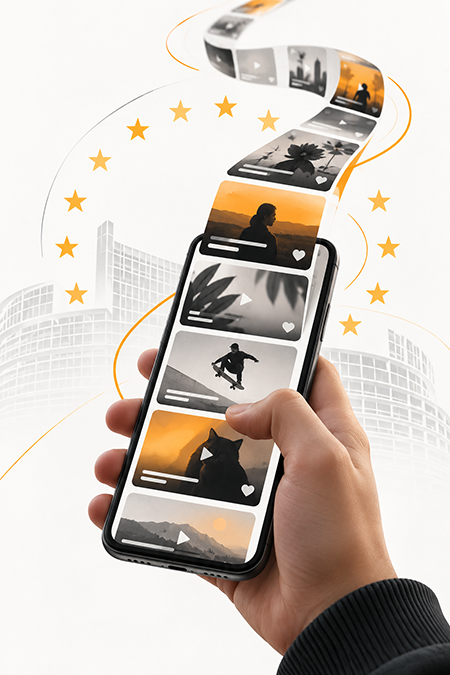
he European Commission has raised concerns about TikTok’s “addictive design”, preliminarily finding that several features of the platform may breach the European Union’s Digital Services Act.
The investigation focuses on features including infinite scrolling, autoplay, push notifications and highly personalised recommendations — all of which can encourage users to continue consuming content.
According to the Commission, TikTok has not adequately assessed how these features could affect users’ physical and mental wellbeing, particularly children, teenagers and other potentially vulnerable users.
From a cyberpsychology perspective, one of the key concerns is the removal of natural stopping points.
Unlike reaching the end of a television episode, article or chapter, an infinite feed has no obvious endpoint. Each swipe immediately delivers another piece of personalised content, making it easy for a few intended minutes of use to become a much longer session.
TikTok already provides screen-time controls and parental tools, but European regulators have questioned whether these measures do enough to interrupt established scrolling behaviour.
The Commission says TikTok may need to change elements of the platform’s design, potentially including its infinite scroll, recommendation systems and screen-time measures.
The findings remain preliminary, and TikTok has the opportunity to respond before a final decision is made.
However, the case highlights an important shift in digital wellbeing: attention is increasingly moving beyond what people see online to how digital platforms are designed to influence behaviour and capture attention.
Read the full article on Aljazeera.
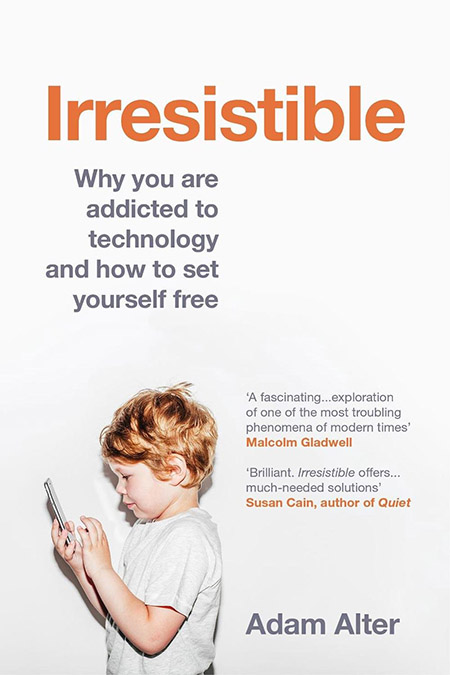
Psychologist Adam Alter provides insight into why we have addiction to technology, explains the science behind why we can't seem to stop such behaviour and offers practical advice for using technology differently, in order to lead a happier life, and to set yourself free.
Read More
The UK will go further to protect kids with world-leading additional restrictions on harmful features online such as live streaming and strangers communicating with children. Social media platforms will be blocked from offering services to under-16s, marking a line in the sand and setting a new normal for future generations.
Read More
This report by eSafety in Australia provides valuable early insights on the initial impacts over the first three months of the social media delay on young people and families. One key finding was that most under-16s who had social media accounts before commencement were able to either retain them or create new ones at the three-month mark, with social media platforms’ failure to implement effective age assurance measures cited as the main reason.
Read MoreScreen Sense offers personalised one-to-one support to help you better understand your digital habits and make practical, lasting changes to the way you use technology.
Sessions >


