
ustralia is considering a significant change to social media regulation: giving people the option to turn off algorithmic recommendations and view a feed made up only of accounts and groups they have chosen to follow.
The proposal is part of a broader “digital duty of care” approach. If introduced, platforms such as Instagram, TikTok and YouTube could be required to offer users a meaningful way to opt out of the systems that continually rank, recommend and personalise content.
This matters because algorithms do far more than organise a feed. They learn from our attention: what we pause on, replay, search for, react to and share. Their goal is typically to keep us engaged, which can be useful when it helps us find genuinely relevant information or communities. However, it can also make our online experience feel more intense, repetitive and difficult to step away from.
For some people, a recommendation-driven feed can become a loop. Watching one anxious video can lead to more anxiety-related content; engaging with one extreme opinion can bring more of the same; a few minutes of scrolling can turn into far longer because the next item has been selected to hold attention.
An algorithm-free option would not make social media automatically healthy. People can still encounter upsetting content, compare themselves with others,or spend more time online than they intended but it would restore an important element of control: the ability to choose a more deliberate, chronological digital environment rather than relying on a system designed to predict what will keep us watching.
That principle is worth paying attention to beyond Australia. Digital wellbeing is not only about reducing screen time. It is also about understanding the environments we are entering and having a real say in how those environments shape our attention, mood and behaviour.
A useful question to ask is: if your feed showed only the people and accounts you consciously chose to follow, would your online experience feel different?
Source: BBC News — Australians will be able to switch off social media algorithms under planned legislation

As this 60 Minutes report discovers, you can have too much of a good thing. What's being called “Internet Addiction Disorder” is ruining lives and even changing the way our brains process information. Worse still, experts are seeing dangerous signs in toddlers.
Read More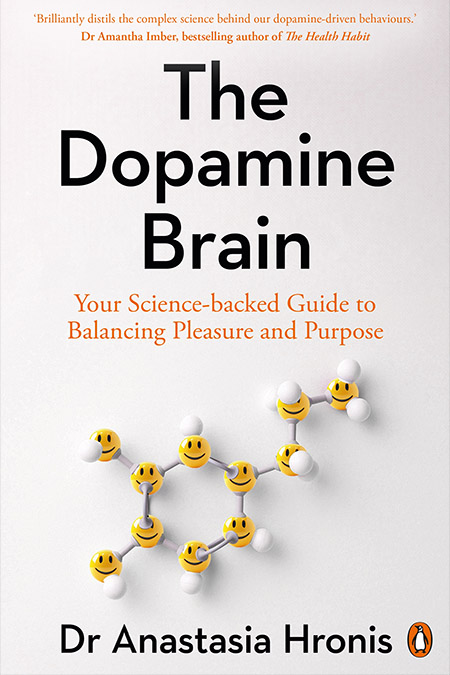
Clinical psychologist and founder of the Australian Institute for Human Wellness Dr Anastasia Hronis lifts the lid on dopamine to help us live by intention, not impulse. A transformative guide to breaking free from impulsive habits and living a more intentional life.
Read MoreScreen Sense offers personalised one-to-one support to help you better understand your digital habits and make practical, lasting changes to the way you use technology.
Sessions >