

or many years, parents have raised concerns that their children might be addicted to video games.
The emergence of Fortnite and other online games has since seen gaming addiction in young children and teens spiral.
Now, the World Health Organisation (WHO) has officially added video game addiction — characterised by "a pattern of persistent or recurrent gaming behaviour" that "takes precedence over other life interests" — to their International Classification of Diseases (ICD) database.
Read the full article on NZHerald.
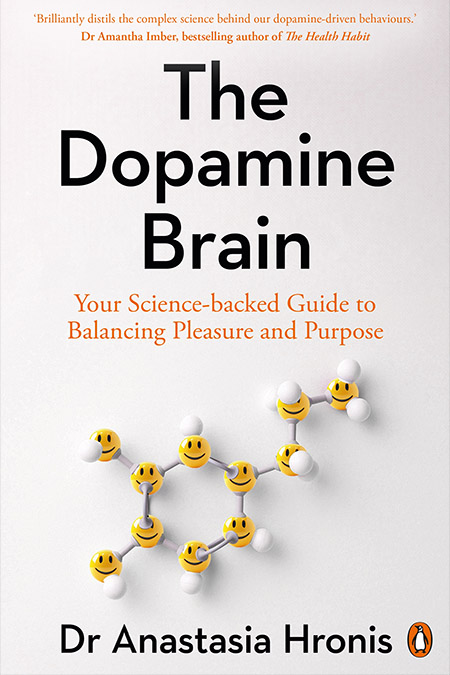
Clinical psychologist and founder of the Australian Institute for Human Wellness Dr Anastasia Hronis lifts the lid on dopamine to help us live by intention, not impulse. A transformative guide to breaking free from impulsive habits and living a more intentional life.
Read More
The survey, which nib conducts annually with global research company, One Picture, canvassed the views of 1,226 parents, step-parents and guardians of children under 18, nationally. This year the survey shows technology use continues to nag at parents, with the real impacts on health and wellbeing increasingly evident. Technology use remains the number one worry for 70% of parents, with 24% ‘extremely concerned’.
Read More
A Los Angeles jury has handed down an unprecedented win for a young woman who sued Meta and YouTube over her childhood addiction to social media. Jurors found that Meta, which owns Instagram, Facebook and WhatsApp, and Google, owner of YouTube, intentionally built addictive social media platforms that harmed the 20-year old's mental health.
Read MoreScreen Sense offers personalised one-to-one support to help you better understand your digital habits and make practical, lasting changes to the way you use technology.
Sessions >


