

study has found screen use for children is linked to long-term problems with attention, self-control and planning.
The University of Auckland study - which pulled together research from around the world - found 81 percent of 58 studies showed at least one negative link between screen use and the brain's executive function, or management system.
Lead researcher Claire Reid said the study found "a really clear pattern" that higher or problematic screen time predicted difficulties in attention and focus, planning, impulse control, and that it could result in long term physical changes to children's brains.
"Your [brain's] executive function is really fundamental to many important life outcomes. It's been proven to predict or linked to things such as helping learning, your academic success, your social success, your wealth, your career, and emotional regulation - wellbeing, mental health and resilience," said Reid, who is a PHD student at the School of Psychology.
Read the full article at RNZ.

In The Anxious Generation, social psychologist Jonathan Haidt presents more than a dozen mechanisms by which this “great rewiring of childhood” has interfered with children’s social and neurological development, covering everything from sleep deprivation to attention fragmentation, addiction, loneliness, social contagion, social comparison and perfectionism.
Read More
A Los Angeles jury has handed down an unprecedented win for a young woman who sued Meta and YouTube over her childhood addiction to social media. Jurors found that Meta, which owns Instagram, Facebook and WhatsApp, and Google, owner of YouTube, intentionally built addictive social media platforms that harmed the 20-year old's mental health.
Read More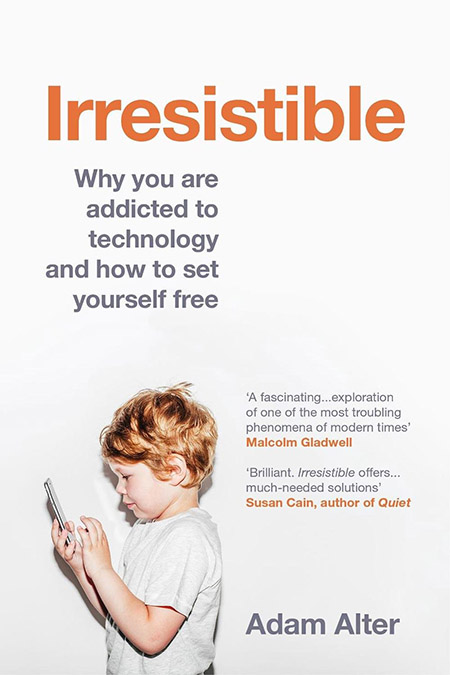
Psychologist Adam Alter provides insight into why we have addiction to technology, explains the science behind why we can't seem to stop such behaviour and offers practical advice for using technology differently, in order to lead a happier life, and to set yourself free.
Read MoreScreen Sense offers personalised one-to-one support to help you better understand your digital habits and make practical, lasting changes to the way you use technology.
Sessions >


