

study has found screen use for children is linked to long-term problems with attention, self-control and planning.
The University of Auckland study - which pulled together research from around the world - found 81 percent of 58 studies showed at least one negative link between screen use and the brain's executive function, or management system.
Lead researcher Claire Reid said the study found "a really clear pattern" that higher or problematic screen time predicted difficulties in attention and focus, planning, impulse control, and that it could result in long term physical changes to children's brains.
"Your [brain's] executive function is really fundamental to many important life outcomes. It's been proven to predict or linked to things such as helping learning, your academic success, your social success, your wealth, your career, and emotional regulation - wellbeing, mental health and resilience," said Reid, who is a PHD student at the School of Psychology.
Read the full article at RNZ.
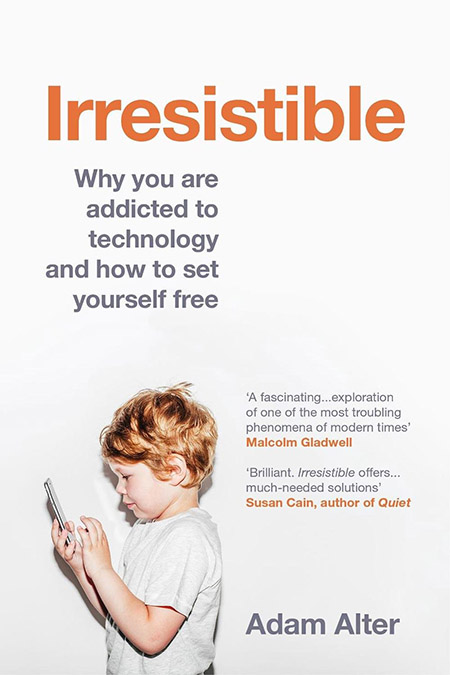
Psychologist Adam Alter provides insight into why we have addiction to technology, explains the science behind why we can't seem to stop such behaviour and offers practical advice for using technology differently, in order to lead a happier life, and to set yourself free.
Read More
A brief 4-week intervention using screen time trackers showed that reducing social media use (SMU, experimental group) yielded significant improvements in appearance and weight esteem in distressed youth with heavy SMU, whereas unrestricted access to social media (control group) did not.
Read MoreWe greatly appreciate your feedback on this website and would like to know what information you found useful and what services you would like to see next. Please take a couple of minutes to let us know.
survey


