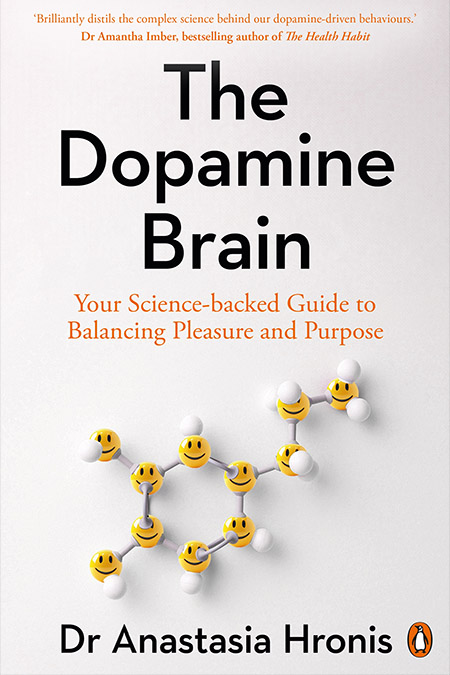
linical psychologist and founder of the Australian Institute for Human Wellness Dr Anastasia Hronis lifts the lid on dopamine to help us live by intention, not impulse.
Have you ever felt like you're lacking control over certain habits?
Are you curious about the neuroscience behind addictive behaviours?
What if you could understand how the brain works, and use that knowledge to regain control over your habits and lead a more fulfilling life?
Sex, shopping, eating, social media, drugs and gambling are just some of the things that can trigger a release of dopamine, a neurotransmitter in the brain that is involved in the brain's reward system. The overindulgence of certain pursuits can disrupt the level of dopamine in our brain, which can steer us towards habits that do not align with our core values.
Fortunately, The Dopamine Brain offers a clear and practical way to help people find balance and harmony in their lives.
The book is divided into three parts that weaves in the latest research in neuroscience and psychology, case studies and reflective questions.
1) The first part helps you understand how dopamine works and identify activities that dopamine might have you hooked on.
2) The next part encourages you to explore and reflect on your core values and building a life that is meaningful, enduring and satisfying.
3) The last part will help you to make the change via sound psychological techniques.
By the end of this guide, Dr Hronis will help you feel empowered to make both pleasurable and purposeful choices, leading to a full, rich and meaningful life.
'Brilliantly distils the complex science behind our dopamine-driven behaviours into an engaging, practical guide' Dr Amantha Imber, bestselling author of The Health Habit and Time Wise.
Buy the Book from Fishpond.
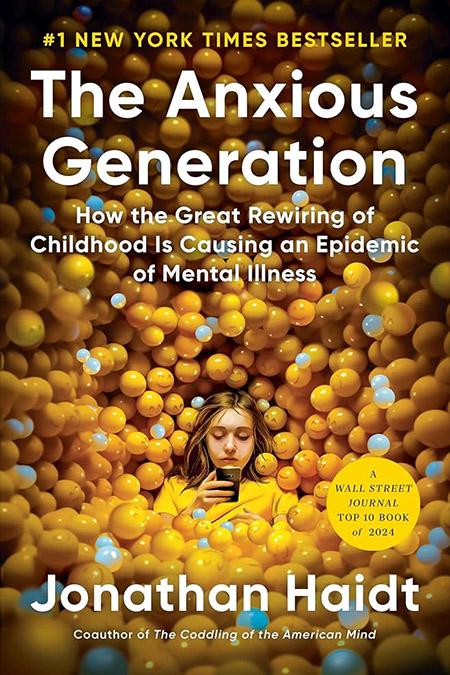
In The Anxious Generation, social psychologist Jonathan Haidt presents more than a dozen mechanisms by which this “great rewiring of childhood” has interfered with children’s social and neurological development, covering everything from sleep deprivation to attention fragmentation, addiction, loneliness, social contagion, social comparison and perfectionism.
Read More
Australia is considering giving social media users the right to switch off personalised algorithms. This article explores why that choice could matter for digital wellbeing and how a more intentional feed may change our relationship with social media.
Read MoreScreen Sense offers personalised one-to-one support to help you better understand your digital habits and make practical, lasting changes to the way you use technology.
Sessions >