

s the world digitises, children and adolescents are increasingly using digital technologies. These devices offer benefits such as exposure to social contacts and support, potential learning opportunities and access to health promotion material. However, along with these benefits, emerging evidence is indicating that frequent, extended use of digital devices is associated with negative impacts on the health and wellbeing of children and adolescents. There are many ways to use devices both for learning and recreation, so context of use is important when considering these impacts. As the pace of change unfolds, this narrative review provides an overview of the impacts of using digital technologies on the health and wellbeing of children and adolescents across eight areas: vision, hearing, obesity, pain, sleep, cognition, mental health, and social impacts. Key points summarise the current state of evidence with relating expert opinion on reducing the risk of harm, where indicated, with the aim to aid decision-making and risk intervention. Sources include global large-scale studies, systematic reviews, and meta-analyses. Physiotherapists, with a professional scope focusing on physical health, quality of life, health promotion and advocacy, are well positioned to support children and families, and to contribute to interventions aimed at reducing risk.
Cullen, J., Muntz, A., Marsh, S., Simmonds, L., Mayes, J., O’Neill, K., & Duncan, S. (2024). Impact of digital screen use on health and wellbeing of children and adolescents: A narrative review. New Zealand Journal of Physiotherapy, 52(1), 62–77. Retrieved from https://nzjp.org.nz/nzjp/article/view/364
Read the full article on NZJP.

In The Anxious Generation, social psychologist Jonathan Haidt presents more than a dozen mechanisms by which this “great rewiring of childhood” has interfered with children’s social and neurological development, covering everything from sleep deprivation to attention fragmentation, addiction, loneliness, social contagion, social comparison and perfectionism.
Read More
Although many youth may not be harmed by heavy SMU, distressed youth may be particularly vulnerable. The aim of this study was to experimentally examine the effects of reducing SMU on smartphones on symptoms of depression, anxiety, fear of missing out (FoMO), and sleep in youth with emotional distress. Compared to the control group, the intervention group showed significantly greater reductions in symptoms of depression, anxiety, and FoMO, and greater increases in sleep.
Read More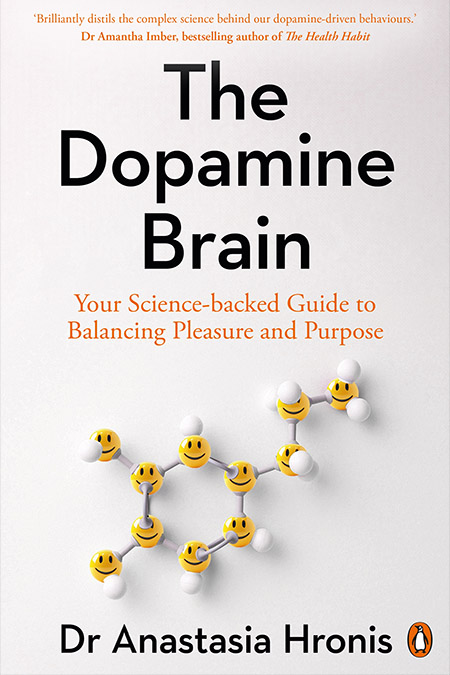
Clinical psychologist and founder of the Australian Institute for Human Wellness Dr Anastasia Hronis lifts the lid on dopamine to help us live by intention, not impulse. A transformative guide to breaking free from impulsive habits and living a more intentional life.
Read MoreScreen Sense offers personalised one-to-one support to help you better understand your digital habits and make practical, lasting changes to the way you use technology.
Sessions >


