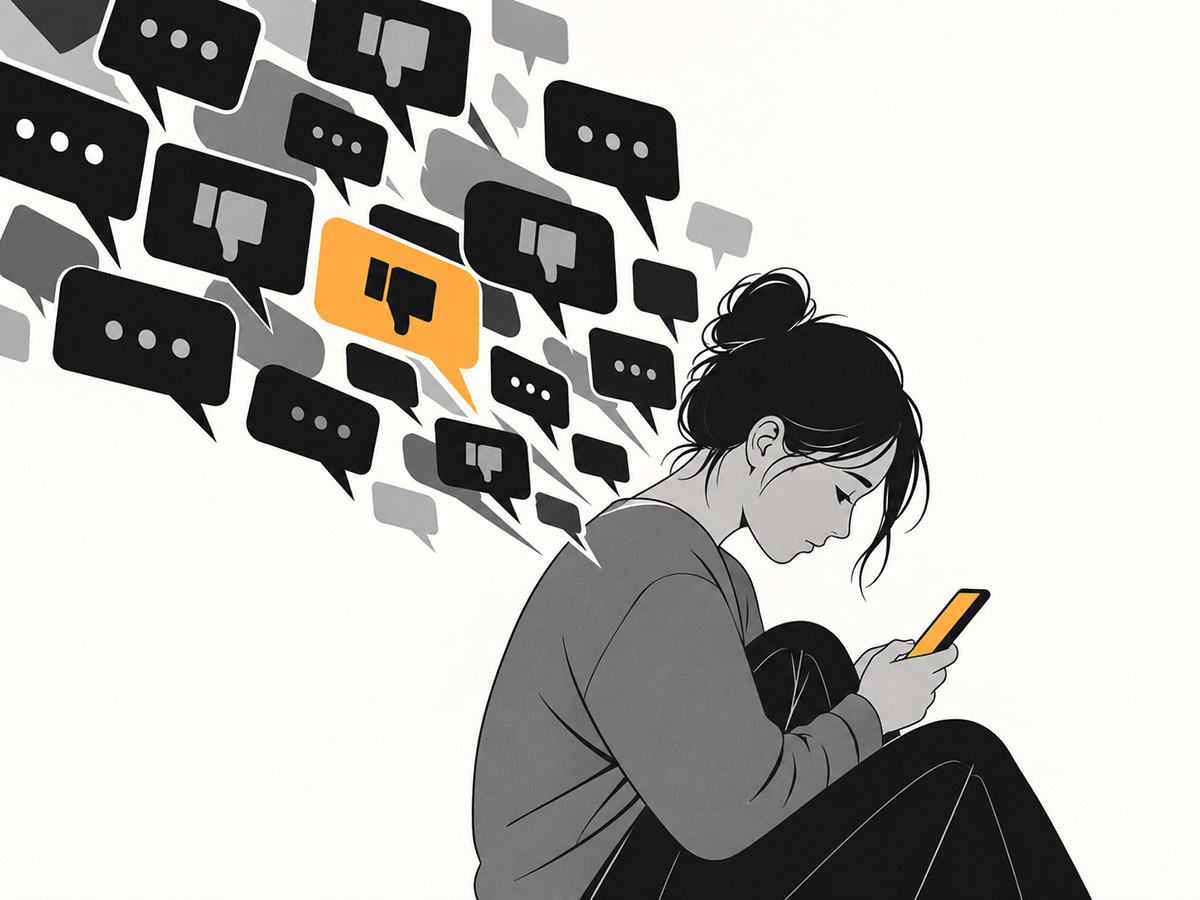
Many people use television and streaming services to relax after a busy day. However, for some individuals, binge-watching becomes a way of avoiding stress, loneliness, boredom or difficult emotions rather than addressing them directly.
Research suggests that excessive binge-watching is associated with higher levels of anxiety and depression, particularly when viewing becomes a habitual coping strategy (Sung, Kang & Lee, 2018). While watching a favourite series may provide temporary relief, the underlying problems often remain, leading people to return to streaming again and again whenever they feel overwhelmed.
One of the most common consequences of binge-watching is disrupted sleep.
Many people begin watching with the intention of viewing a single episode, only to continue because of cliffhangers, autoplay features or a desire to find out what happens next. This often results in later bedtimes than originally planned.
Research has shown that frequent binge-watching is associated with poorer sleep quality, increased pre-sleep arousal and greater difficulty falling asleep (Exelmans & Van den Bulck, 2017). When people regularly sacrifice sleep to continue watching, they may experience daytime fatigue, irritability and reduced emotional regulation.
Over time, poor sleep can affect overall wellbeing, making it more difficult to manage stress, maintain concentration and function effectively throughout the day.
Problematic binge-watching can also begin to affect everyday life.
As viewing becomes a higher priority, people may delay household responsibilities, cancel plans or spend less time with family and friends. While watching television together can be a social activity, excessive solo viewing may gradually replace meaningful social interaction.
Partners or family members may become frustrated when television consistently takes priority over shared activities or conversations. Over time, this imbalance can contribute to conflict, feelings of neglect and reduced relationship satisfaction (Steins-Loeber et al., 2020).
Excessive binge-watching can also affect productivity at school, university and work.
Watching multiple episodes often takes much longer than intended, leaving less time for study, work or other responsibilities. Some people find themselves repeatedly delaying important tasks because they want to finish "just one more episode."
Research has found that problematic binge-watching is associated with procrastination, reduced productivity and poorer self-regulation (Flayelle et al., 2020). Combined with reduced sleep, excessive viewing may also affect concentration, memory and decision-making, making it more difficult to perform well academically or professionally (Exelmans & Van den Bulck, 2017).
Binge-watching has become a normal part of modern entertainment and, for most people, it is an enjoyable way to unwind. However, when watching becomes difficult to control or begins to interfere with sleep, relationships, responsibilities or wellbeing, it may become problematic.
Recognising the early signs of excessive binge-watching, setting boundaries around viewing time and balancing streaming with other meaningful activities can help people enjoy their favourite shows without allowing them to negatively affect their daily lives.
Exelmans, L. & Van den Bulck, J. (2017). Binge viewing, sleep and the role of pre-sleep arousal. Journal of Clinical Sleep Medicine, 13(8), 1001-1008.
Flayelle, M., Maurage, P., Karila, L., Vögele, C. & Billieux, J. (2020). Overcoming the unitary exploration of binge-watching: A cluster analytical approach. Journal of Behavioral Addictions, 9(2), 244-257.
Rosenfield, M. (2016). Computer vision syndrome (aka digital eye strain). Optometry in Practice, 17(1), 1-10.
Steins-Loeber, S., Reiter, T., Averbeck, H., Harbarth, L., Brand, M. & Kohler, A. (2020). Binge-watching behaviour: The role of impulsivity and depressive symptoms. European Addiction Research, 26(3), 141-150.
Sung, Y. H., Kang, E. Y. & Lee, W. N. (2018). Why do we indulge? Exploring motivations for binge-watching. Journal of Broadcasting & Electronic Media, 62(3), 408-426.
Tremblay, M. S., Aubert, S., Barnes, J. D., Saunders, T. J., Carson, V., Latimer-Cheung, A. E. ... Chinapaw, M. J. (2017). Sedentary behavior research network (SBRN) terminology consensus project process and outcome. International Journal of Behavioral Nutrition and Physical Activity, 14(1), 75.
Should you find any content in these articles in any way distressing, please seek support via Find a Help Line
Seek Help